
From Static to Cinematic
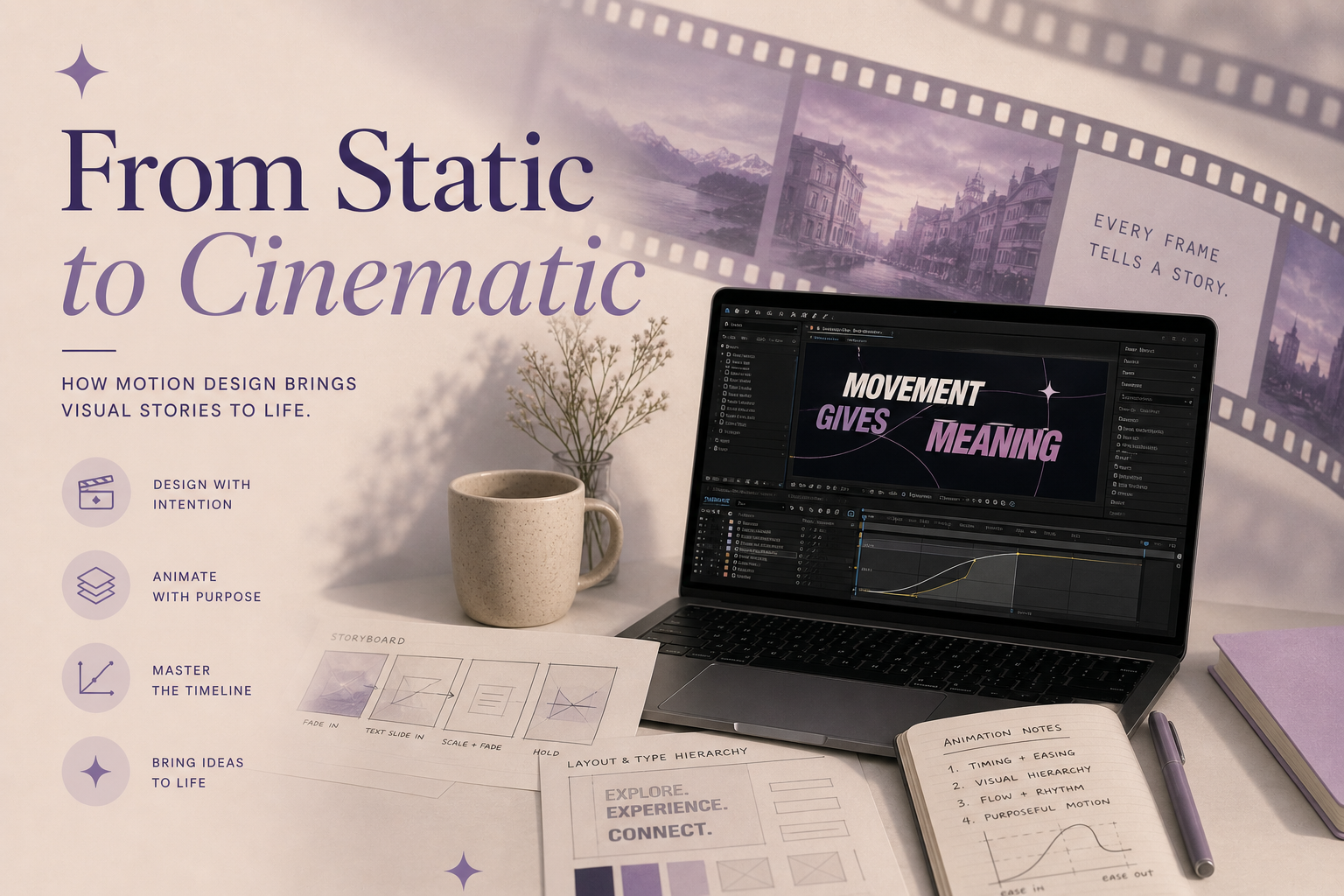
(Image made with AI)
When I entered college as a film major, I was completely focused on the magic of film. But by my second semester, I realized I wanted more control over the visual language I was creating, so I picked up graphic design as a double major. At first, the two fields felt entirely separate. In my film classes, I was studying how a camera move or a hard cut could change the emotional weight of a scene. In my design classes, everything was incredibly still. I loved the precision of typography and the psychology of color, but I missed that feeling of aliveness. It was not until I opened Adobe After Effects for the first time that I realized I did not have to choose between the two disciplines. Motion design was the exact bridge I had been looking for.
The Technical Reality Check
Transitioning from static graphic design to motion graphics is not just about making things move. It is an entirely different way of thinking about space and time. According to Noble Desktop, while the fundamental design principles remain the same, the workflow complexity increases exponentially. I found this out the hard way during my early projects.
When I first started learning After Effects, I assumed my Adobe Illustrator skills would seamlessly transfer over. I was completely wrong. The interface felt like a spaceship cockpit, and suddenly, I was not just managing layers. I was managing keyframes, easing, and the terrifying Graph Editor. My first few attempts at kinetic typography looked less like purposeful animation and more like a chaotic presentation. The technical hurdle was massive, but it forced me to confront how I actually build a composition from the ground up.
Rethinking the Workflow
To overcome this steep learning curve, I had to completely restructure my design workflow. I could no longer just dive into the software and start creating shapes. Motion requires premeditation. I started adopting a more cinematic approach, treating my design files like storyboards. Before I even opened After Effects, I would plan out the visual hierarchy in Illustrator, carefully separating my text and shapes into distinct layers that I could manipulate independently.
This preproduction phase saved my life. By organizing my files properly before importing them, I could focus entirely on the animation principles once I was in the timeline. I learned that motion design is not about adding movement just for the sake of it. It is about using motion to direct the viewer's eye, emphasize the core message, and create a specific rhythm that resonates with the audience.
Mastering the Graph Editor
The absolute biggest breakthrough in my journey was finally understanding the Graph Editor. According to OlafMotion, mastering keyframe timing and easing is what truly separates amateur animation from professional motion design. At first, I relied heavily on default keyframes. It made my typography smooth, but it lacked any real personality.
Once I learned how to manipulate the speed graph, everything changed. I could make a word slam onto the screen with aggressive energy or float in with a soft, ethereal quality. The movement suddenly had character. It was exactly like directing an actor or controlling the pacing of a film edit. The typography finally had a voice of its own.
Looking Forward
Learning motion design was one of the most frustrating yet rewarding experiences of my college career. It taught me that design does not have to be static to be structured. The principles of balance, contrast, and alignment still apply perfectly, they just happen over a timeline instead of on a flat page. If you are a graphic designer hesitant to learn After Effects, my biggest piece of advice is to just start. Treat your static designs as the very first frame of a movie, and figure out where they go next. The technical hurdles are temporary, but the ability to bring your ideas to life is permanent.
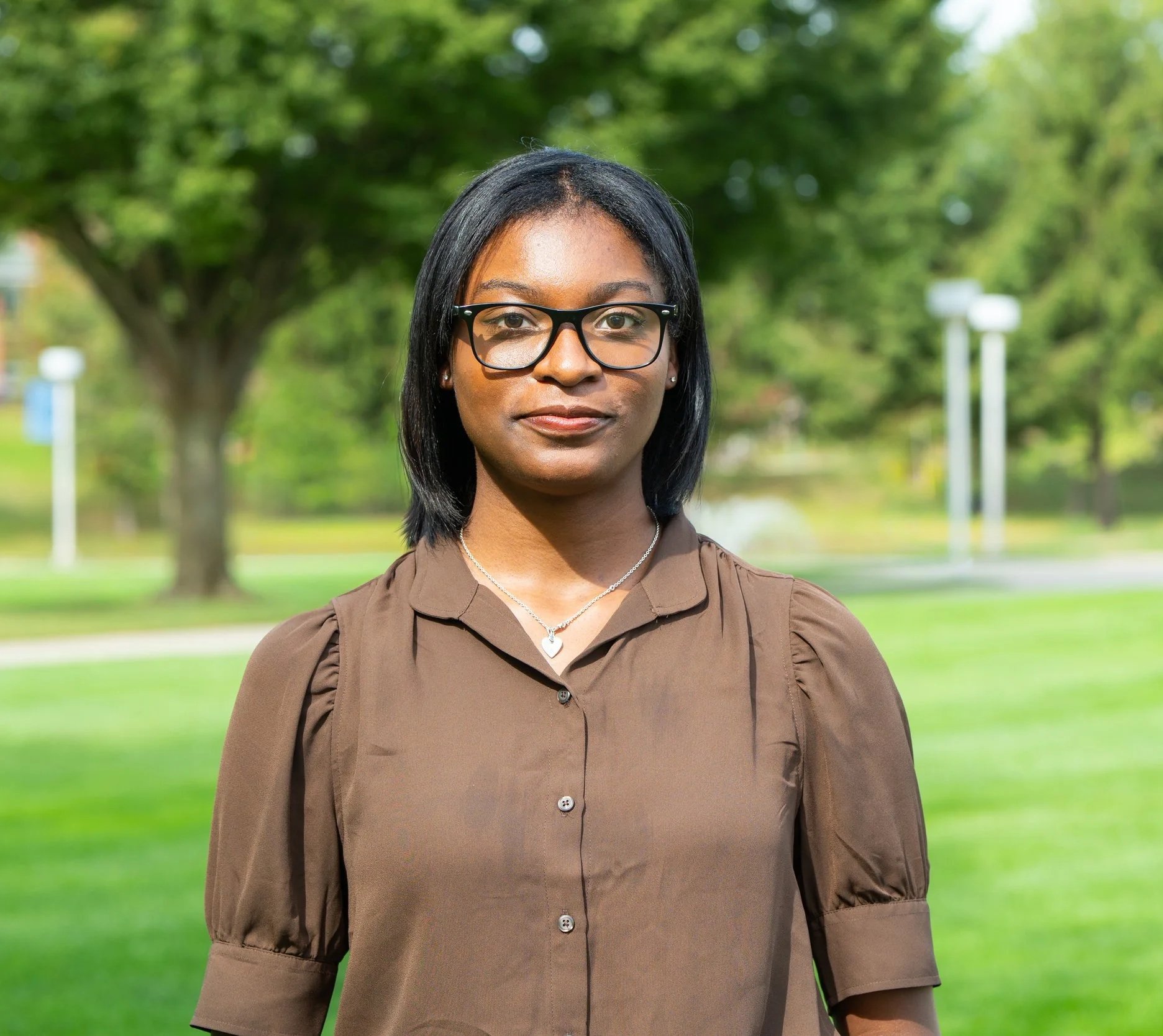
Hi! I’m Jaelyn, a New Jersey–based graphic designer and filmmaker creating thoughtful work through motion, branding, and visual storytelling.
Passionate about culture, tourism design, and crafting strategic identities that connect people, place, and purpose.
