
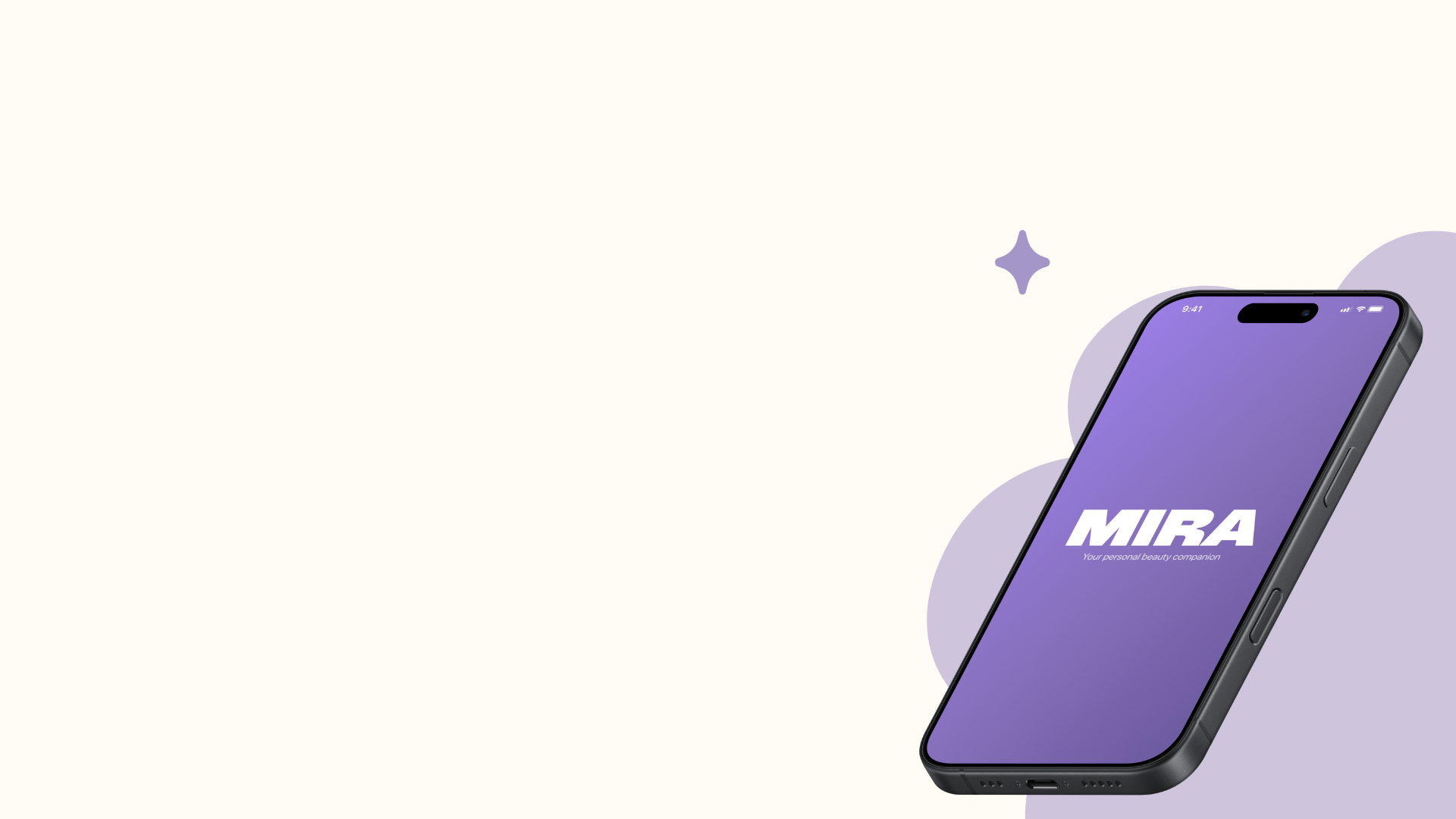

MIRA

A digital beauty diary designed to help users better understand their skin through routine logging, product tracking, and personalized discovery.

Type
Length
Year
Tools
Figma
UX/UI Design

15 Weeks
2026

The Problem
The beauty and skincare industry often overwhelms users with generic marketing, cluttered product information, and limited personalization. Existing apps fail to bridge skincare and makeup while overlooking key factors like skin tone, hormonal changes, seasonal shifts, and ingredient compatibility. This creates wasted money and frustration for users who want to know what truly works.
The Goal
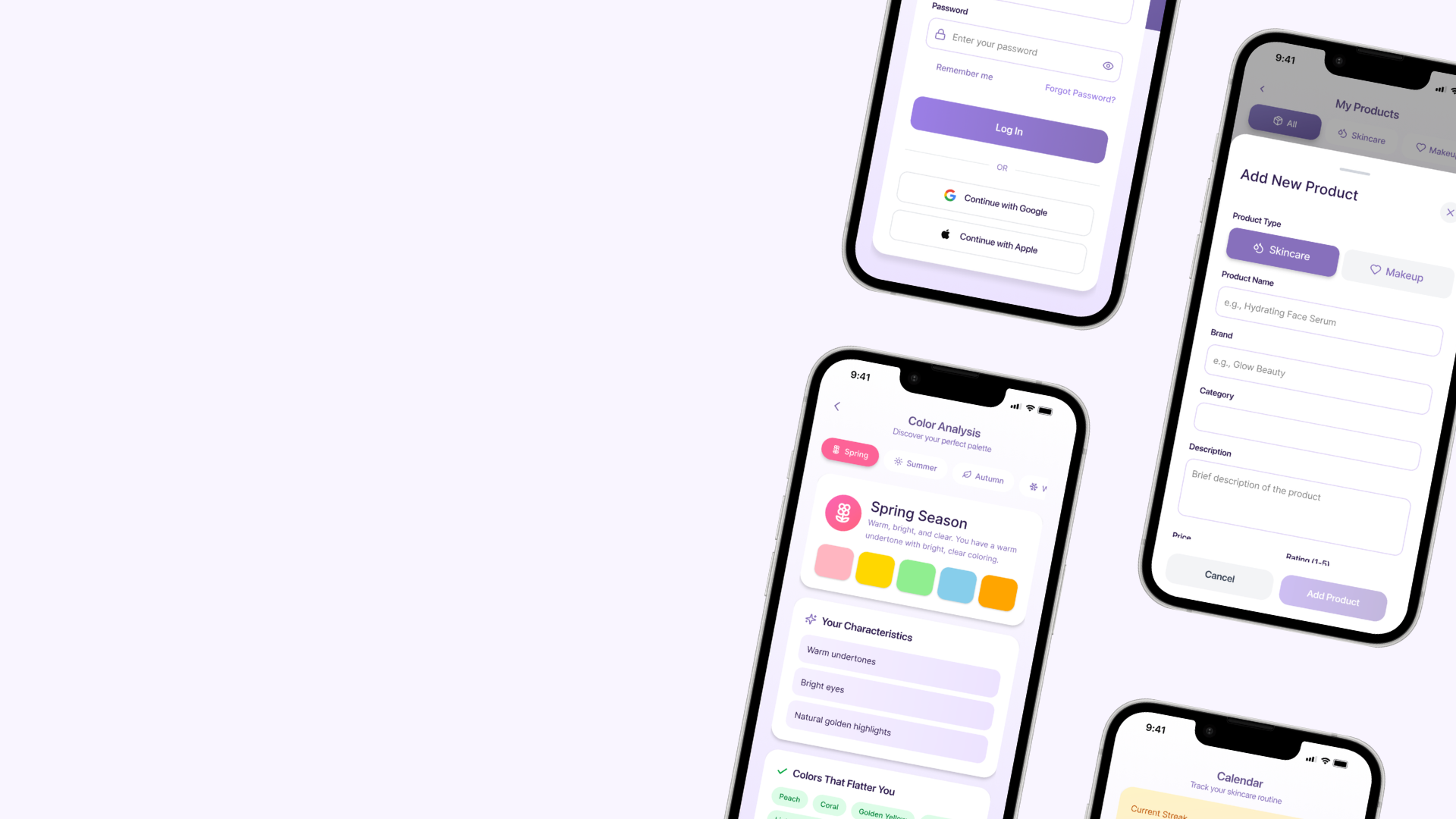
Design a personalized beauty companion that combines skincare tracking, makeup compatibility, ingredient education, and visual progress into one engaging platform. MIRA aims to make beauty management feel less overwhelming, more empowering, and tailored to the realities of everyday users.


Research
Conducted user interviews focused on skincare frustrations, product discovery habits, privacy concerns, and progress tracking preferences.
Analyze
Reviewed competitor strengths and weaknesses, identifying major gaps in representation, customization, and makeup integration.
Define
Developed a primary user persona centered on Zara, a college student seeking authentic, skin-type product guidance.
Structure
Built information architecture and user flows for product logging, progress tracking, as well as ingredient analysis.
Prototype
Created low-fidelity sketches exploring onboarding, dashboards, skin selfies, product scanning, and personalized reminders.

Key Pain Points
Users struggle with generic product recommendations that ignore skin tone and type
Existing skincare apps feel cluttered, plain, or medically narrow
Privacy concerns reduce trust in AI skin analysis
Tracking progress through camera rolls is disorganized
Users want real reviews from people with similar skin profiles
Visual & Trust Findings
Current Beauty Apps Feel Clinical or Generic
Users often described existing skincare platforms as visually cluttered, overly medical, or too plain, lacking the engaging, personalized feel needed to encourage consistent daily use. Many wanted something that felt more playful, customizable, and emotionally aligned with self-care rather than symptom tracking.
Core Design Opportunities
Skin tone + skin type product filters
Makeup + skincare integration
Guided weekly progress photos
Seasonal and hormonal tracking
Customizable interface aesthetics (whimsical vs minimalist)

A playful, customizable interface that transforms skincare from a chore into a self-care ritual.
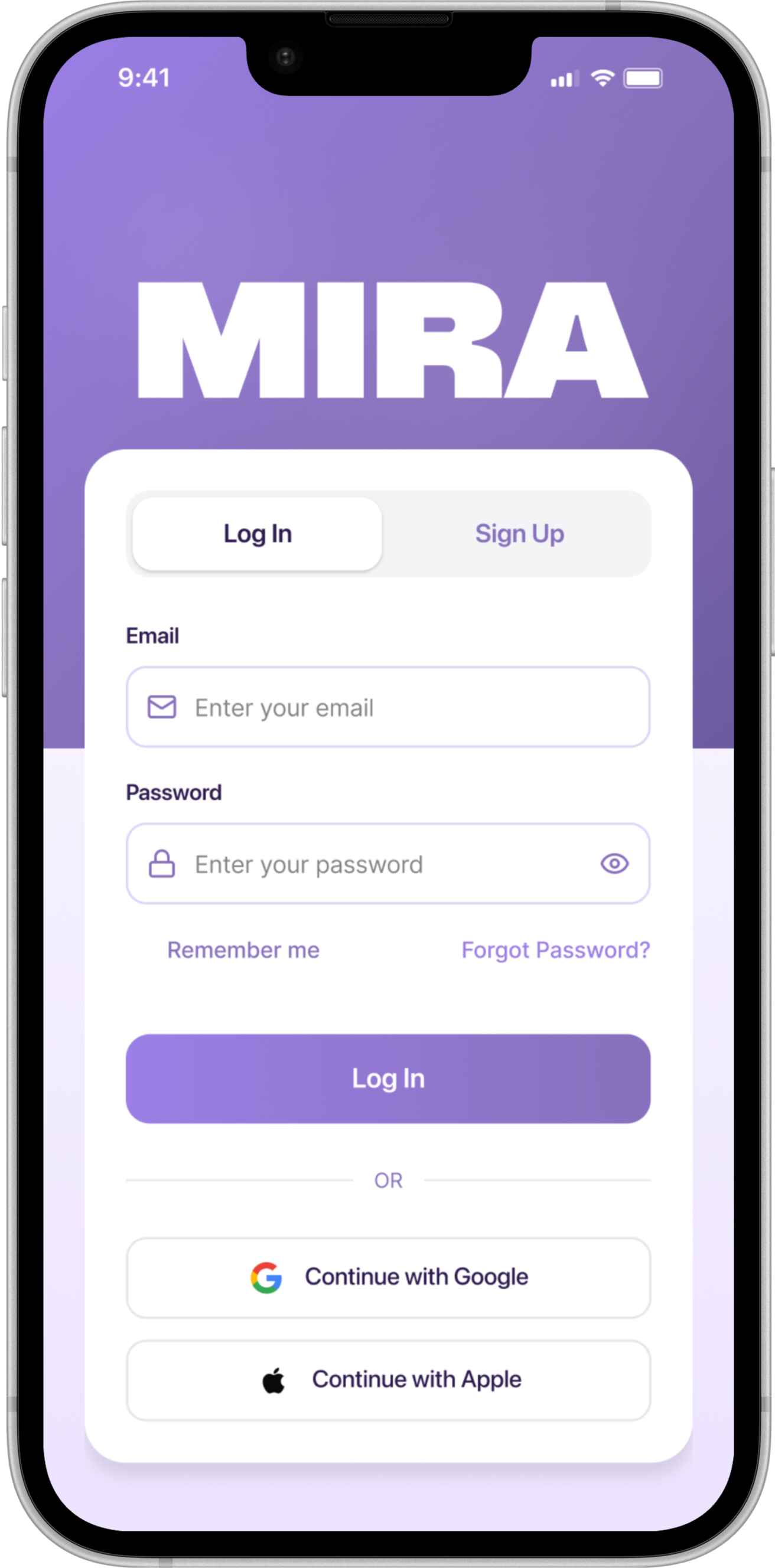

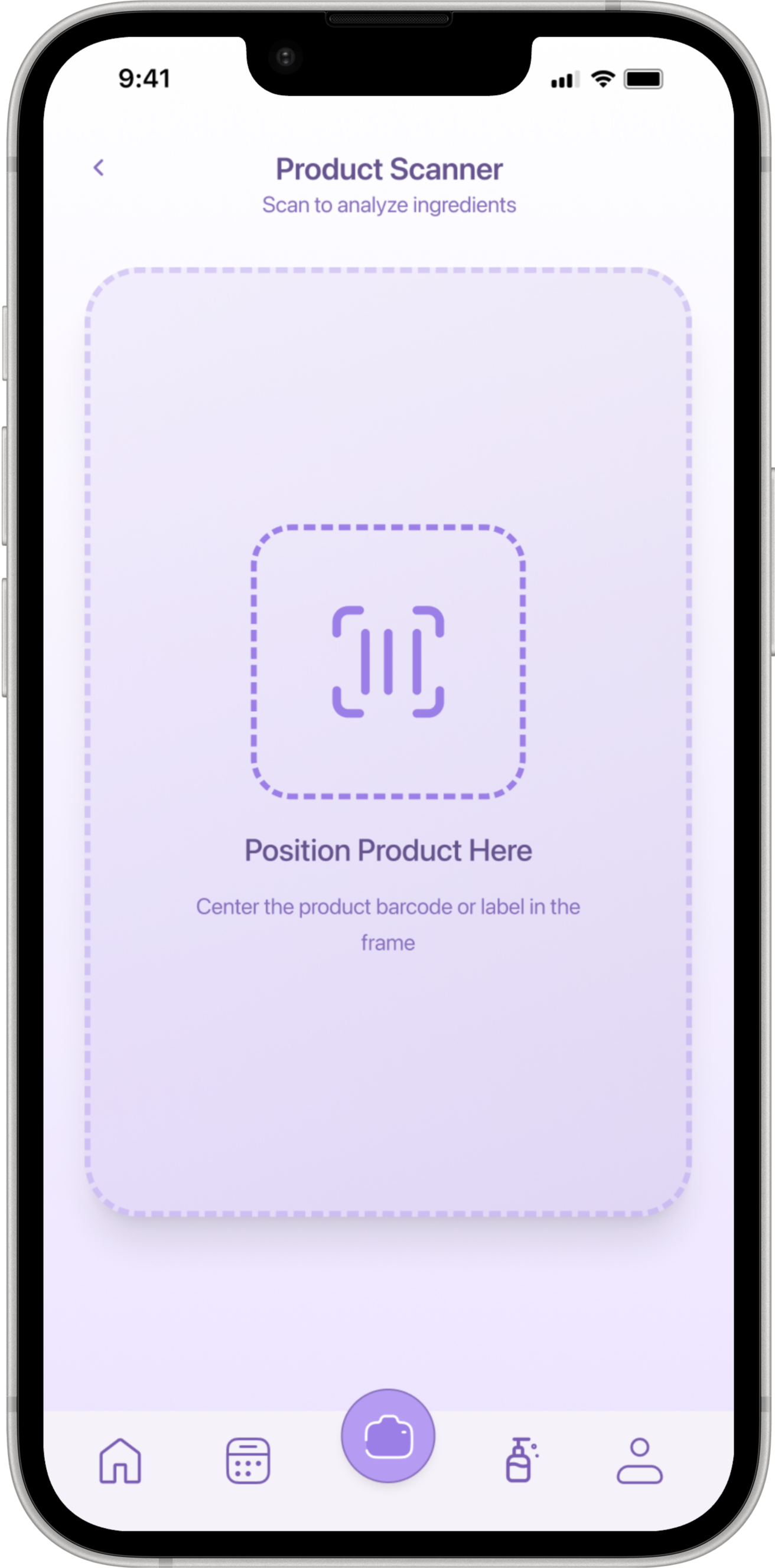
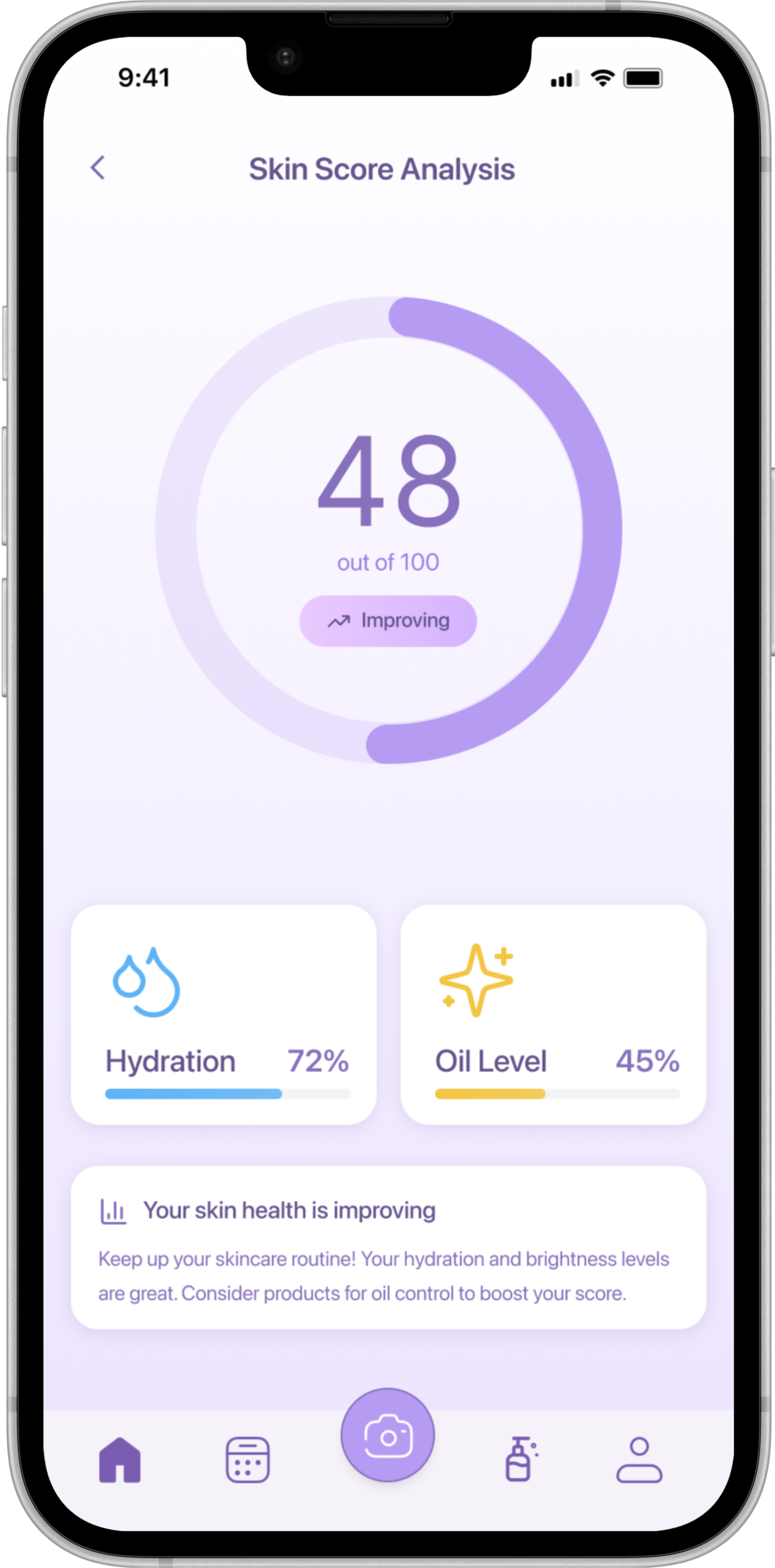
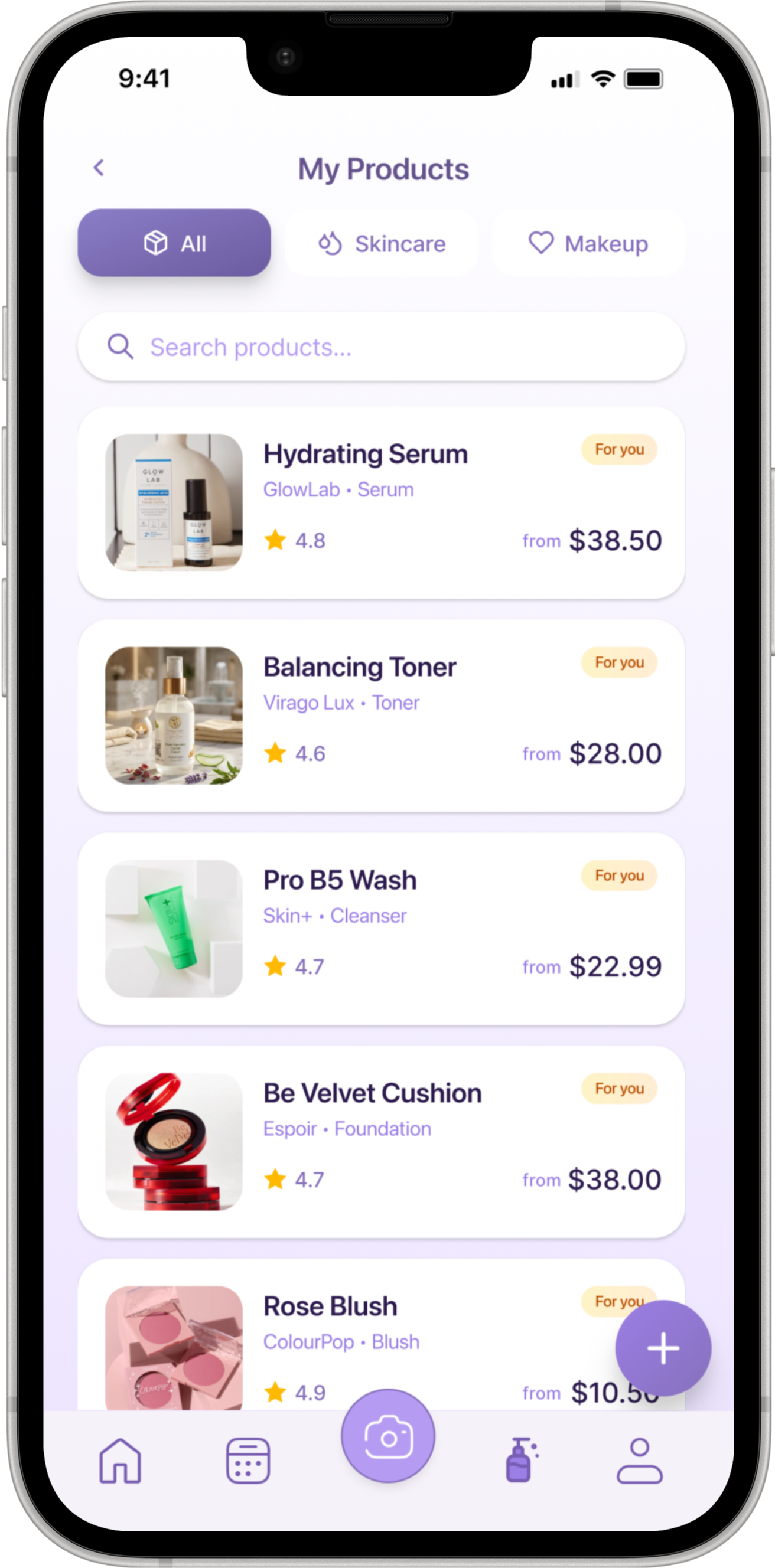
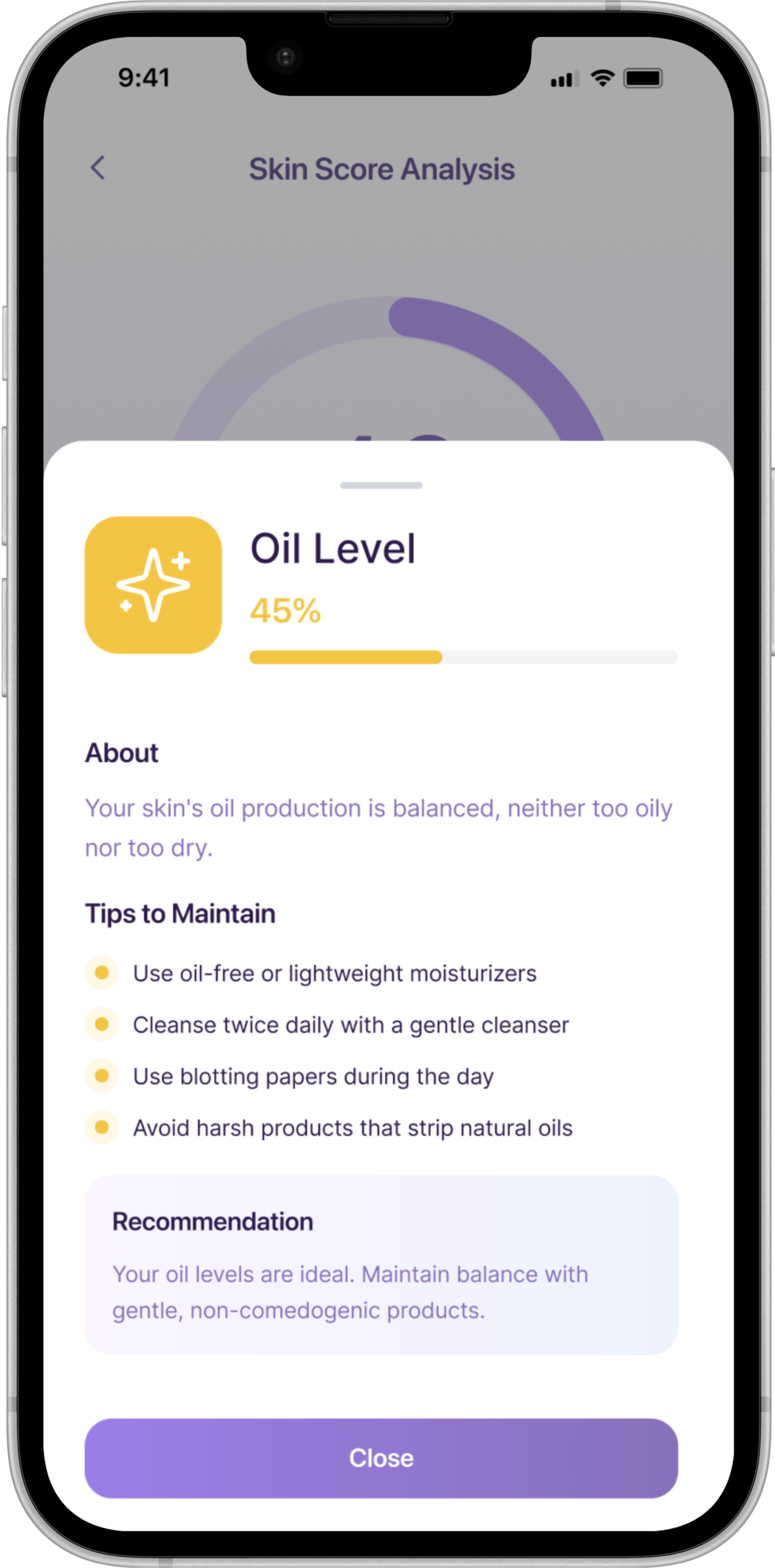
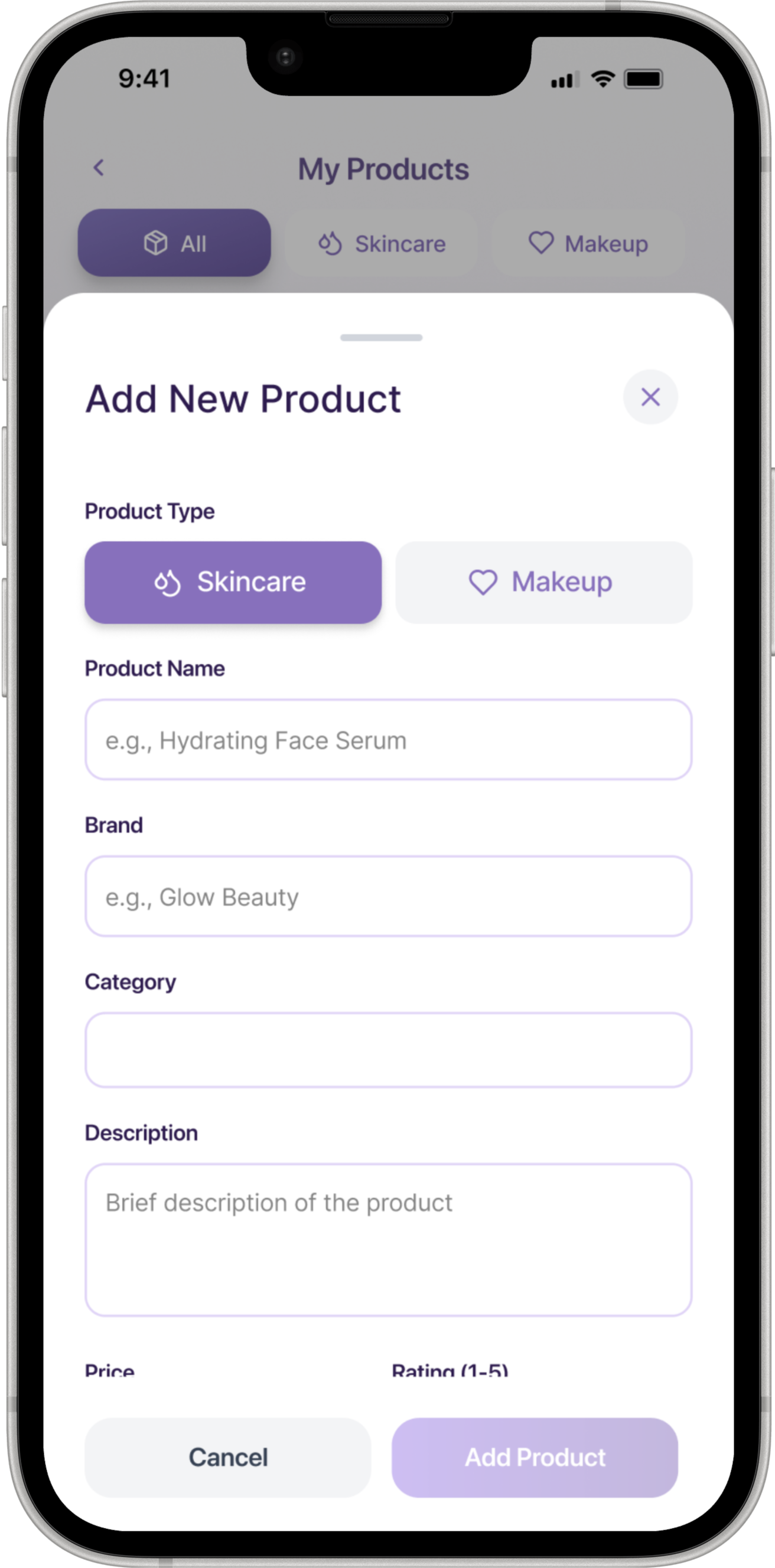
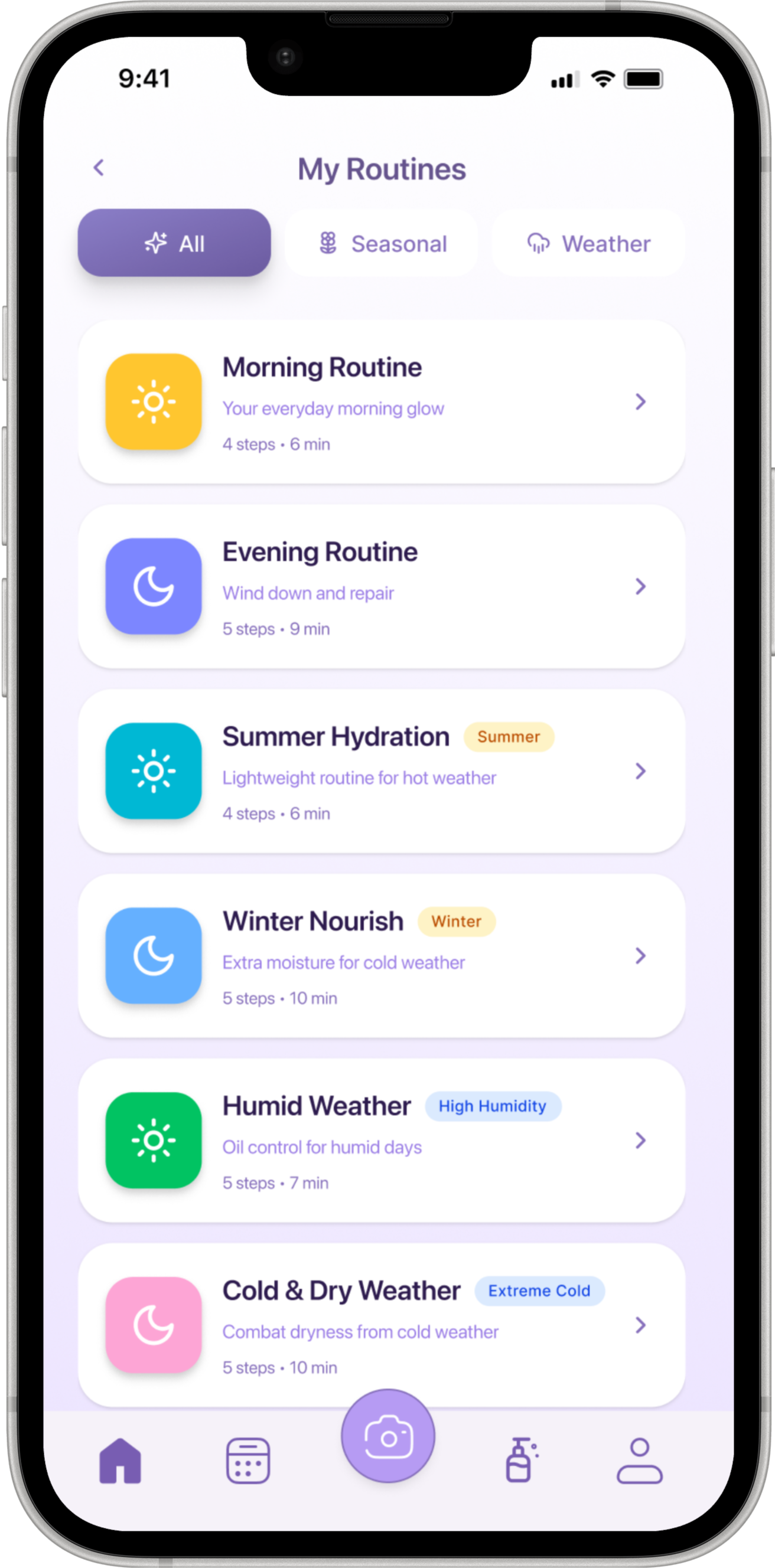
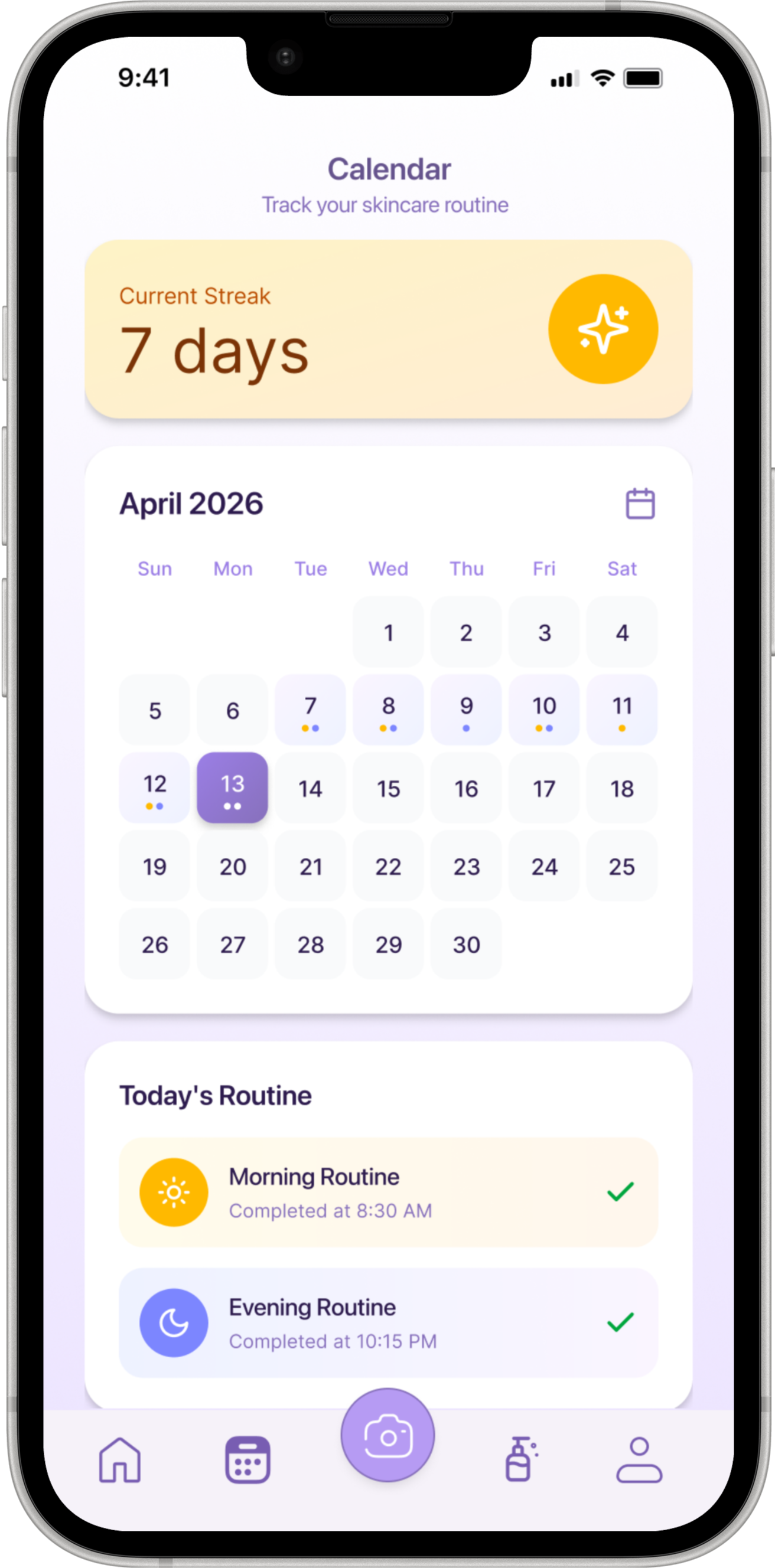
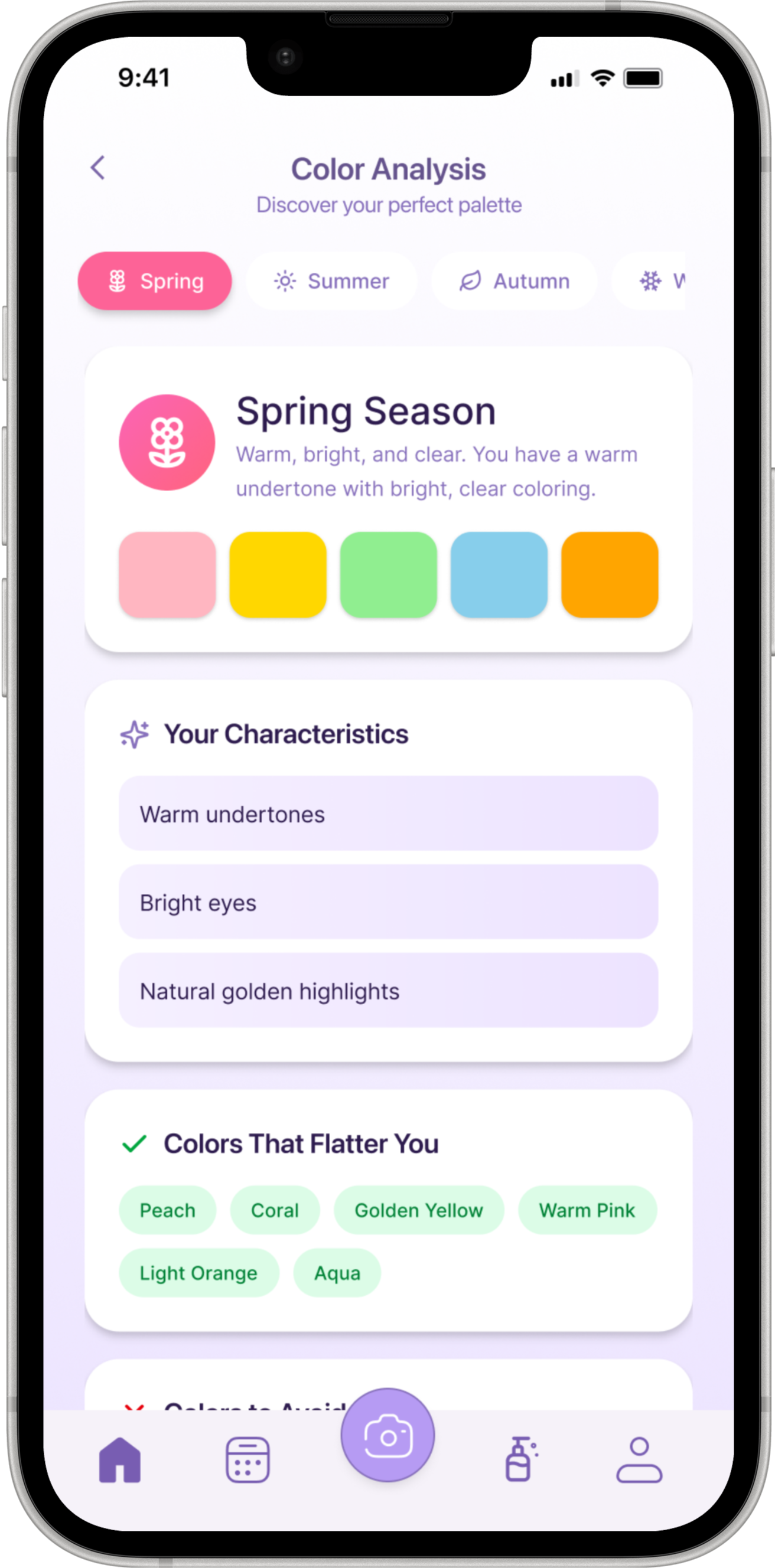

MIRA explores how UX/UI can move beyond generic beauty apps by centering representation, privacy, and personalization. By combining skincare, makeup, and lifestyle tracking, this concept demonstrates how thoughtful digital design can empower users to build confidence—not just routines.
What I learned
Representation deeply impacts product trust
Privacy concerns shape AI adoption
Beauty users want personalization without complexity
Design can transform overwhelming industries into accessible experiences
If I Took This Further
Community review system
Product price comparison tools
AR makeup compatibility previews
Dermatologist-backed educational resources