


Happy Fools

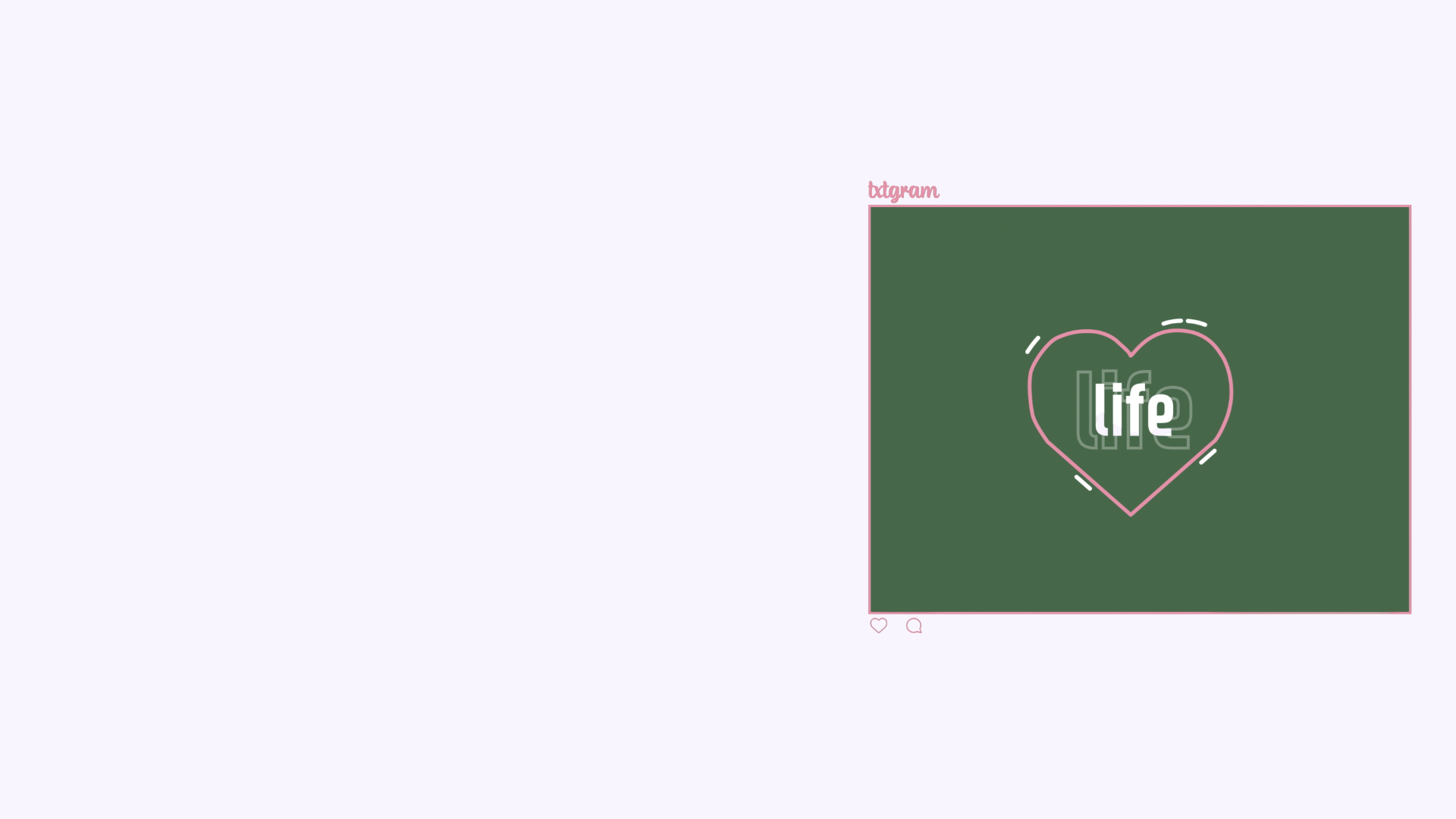
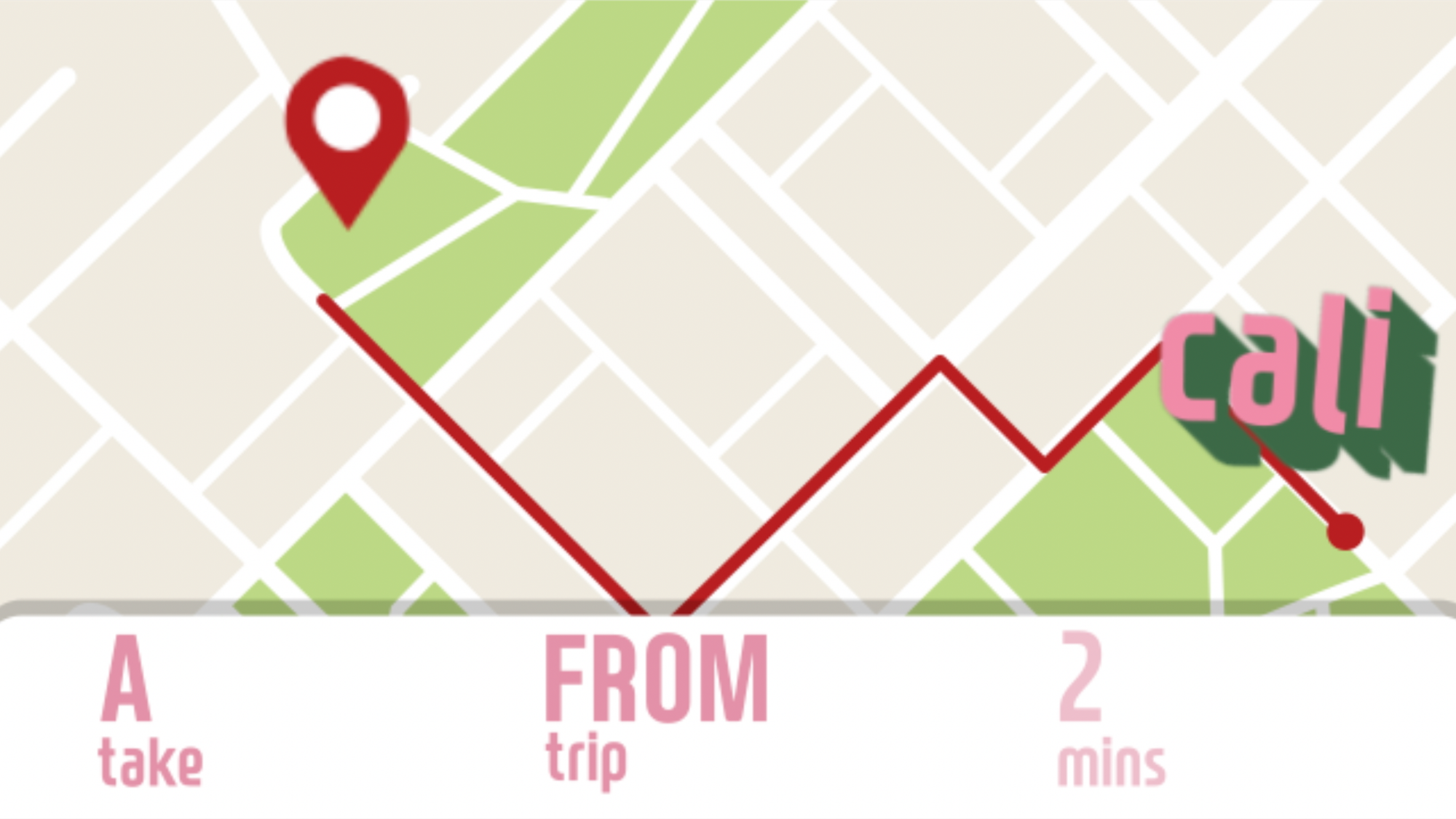
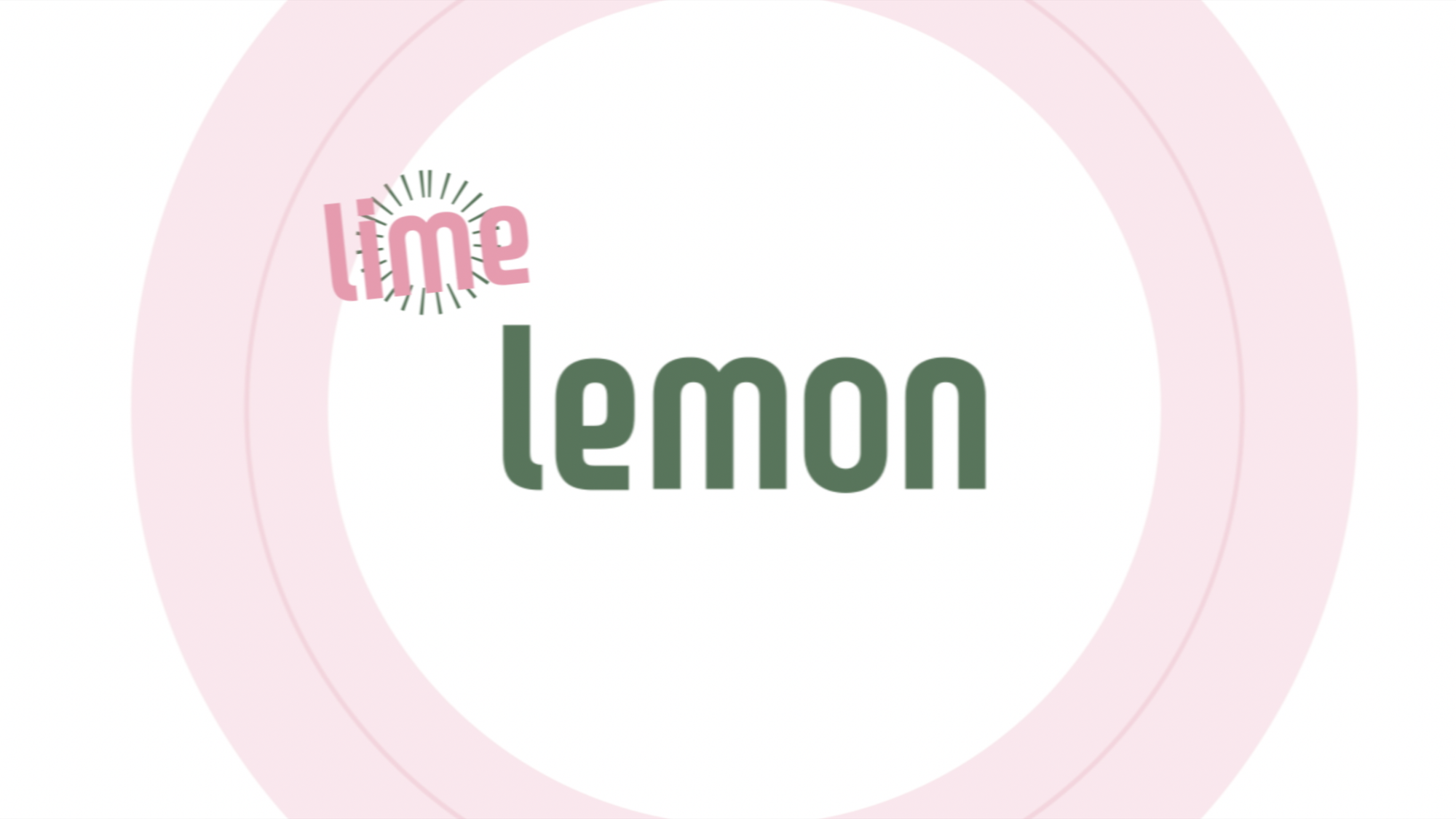
Built through timing, beat synchronization, and expressive type animation, this piece reimagines TXT and Coi Leray’s “Happy Fools” as a choreographed visual experience that blends graphic design with time-based media.

Type
Length
Year
Tools
After Effects
Motion Graphic

2 Weeks
2024

The Project
“Happy Fools” presented an opportunity to explore kinetic typography as both a graphic and cinematic discipline. The challenge was to visually translate the song’s chaotic joy, bilingual energy, and tonal shifts into a cohesive motion system using only typography, sound, and timing. No footage. No characters. Just type in motion.
The Goal
Create a visually engaging kinetic type sequence where typography amplifies the emotional and rhythmic structure of the track—ensuring each motion choice feels intentional, musical, and tonally aligned.


Research
Analyzed the song’s rhythm, tone, and lyrical structure to identify significant emotional and visual moments.
Ideate
Explored motion concepts, pacing styles, and typography treatments that matches the track’s energy.
Design
Created the animation system in After Effects using beat-reactive type, transitions, and layered compositions.
Test
Refined timing, readability, and motion flow to ensure visuals supported the music in an effective manner.
Refine
Polished pacing, transitions, and overall cohesion to create a final piece that felt intentional / dynamic.

Key Creative Insights
Balancing Chaos With Clarity
“Happy Fools” carries playful unpredictability, but effective kinetic typography requires structure. The challenge was translating energetic disorder into motion that felt expressive without sacrificing readability.
Rhythm Dictates Visual Hierarchy
Because the song’s pacing shifts rapidly, typography needed to respond dynamically through scale, speed, and composition changes that matched musical intensity.
Visual & Motion Findings
K-pop’s Choreographic Energy Supports Motion Design
The genre’s layered production, tonal shifts, and performance-driven identity created a strong framework for beat-reactive typography and expressive transitions.
Typography Must Perform, Not Decorate
Successful motion design depended on type functioning as a narrative device—where movement reinforced lyric delivery rather than distracting from it.
Core Design Opportunities
Recommended Motion Priorities:
Use beat mapping to guide pacing and transitions
Explore varying typographic scale for emphasis
Balance high-energy sequences with moments of restraint
Reflect tonal shifts between artists through visual contrast
Build choreography through type movement, not excessive effects


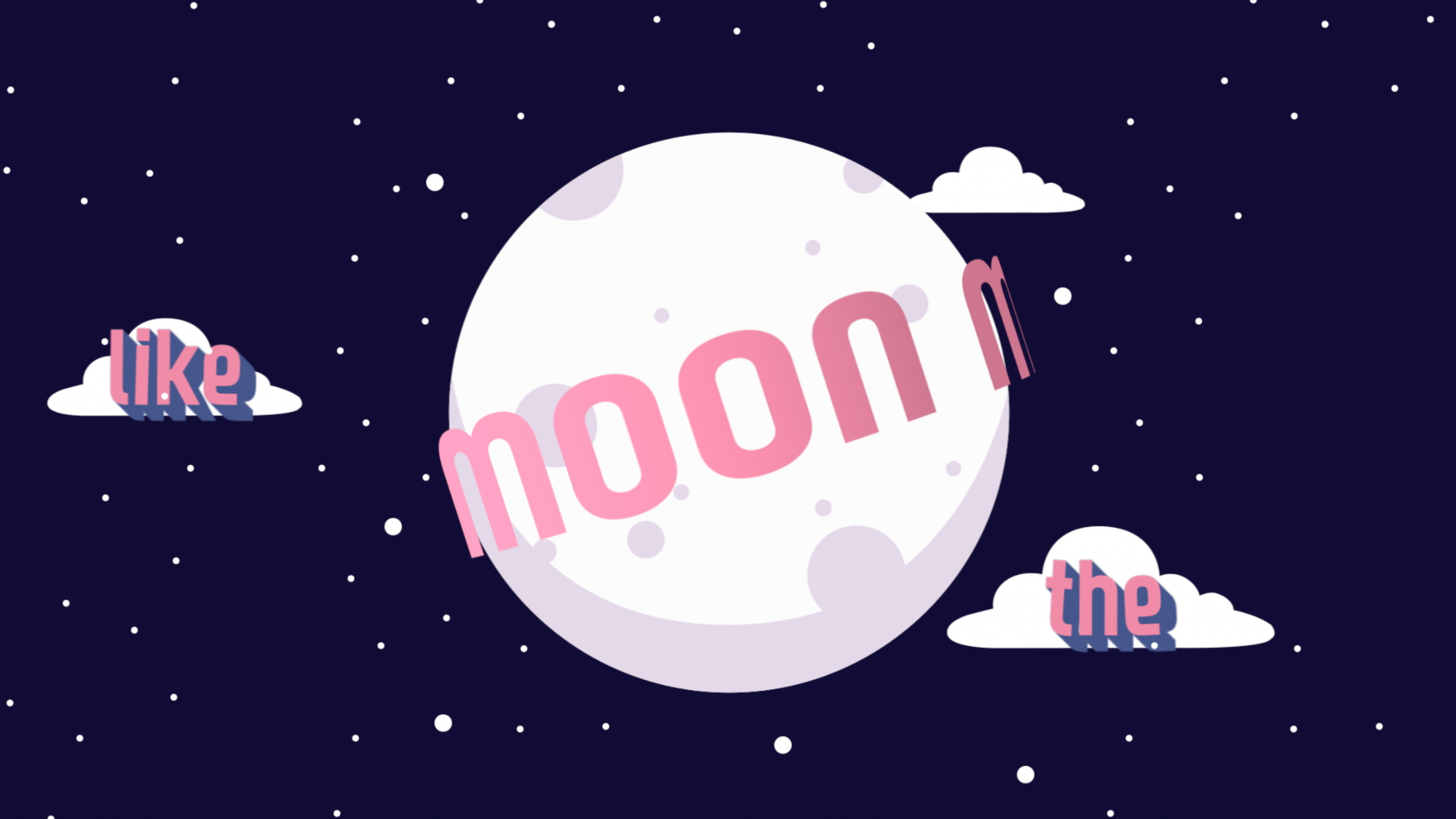


This project deepened my understanding of motion as a storytelling medium and reinforced how design changes when it exists in time, not just space. “Happy Fools” became an exploration of choreography through typography—where rhythm, restraint, and intentionality shaped every frame.
What I learned
Timing is a visual language
Motion needs strategy, not excess
K-pop’s choreographic structure naturally supports kinetic typography
Designing after listening creates stronger work
If I Took This Further
Full song extension
Color system for tonal shifts
3D typography experimentation
Expanded visual identity across verses and chorus