
Why Accessibility is the Future of Good Design
(Image made with AI)
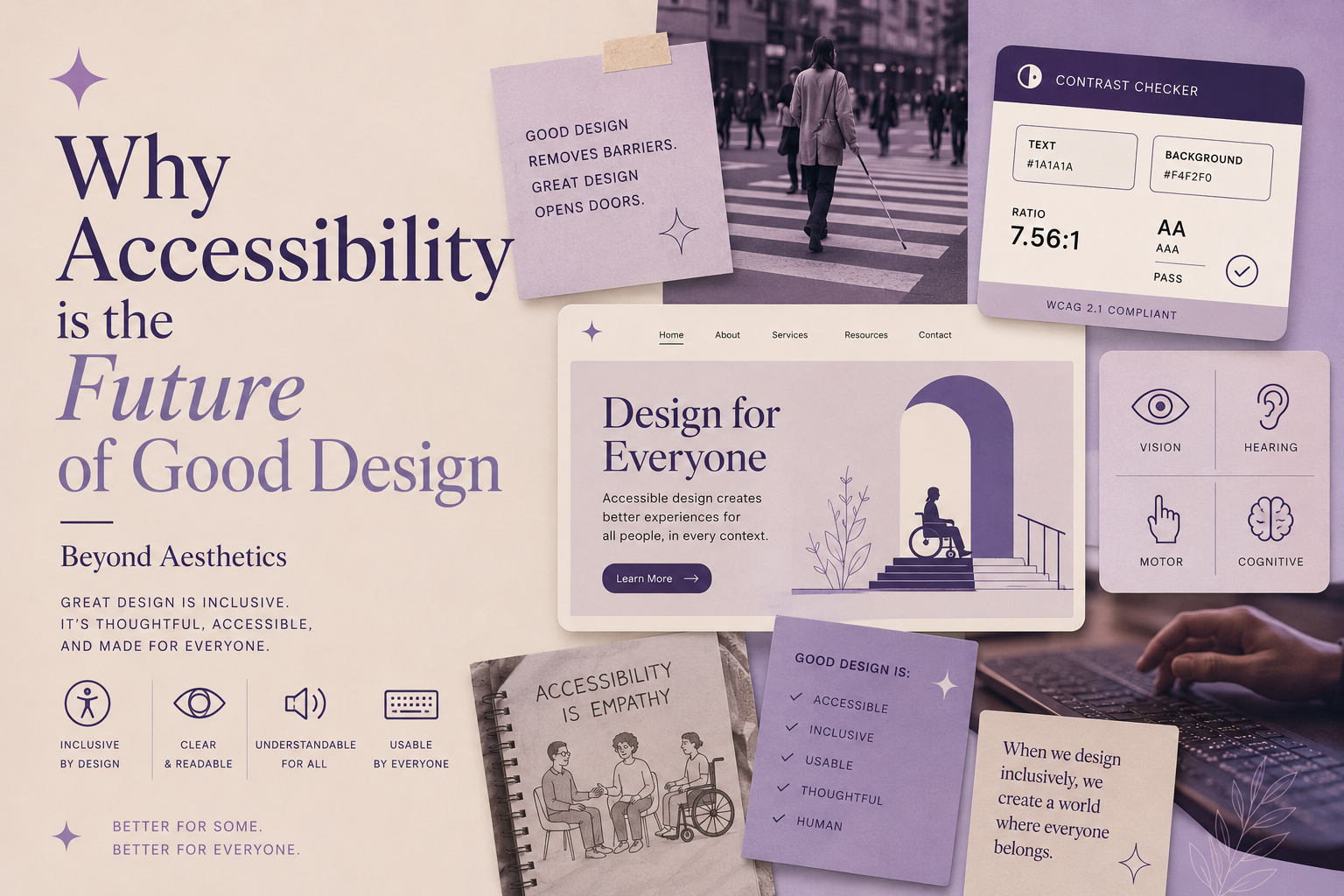
When I first started learning graphic design, I was obsessed with aesthetics. I wanted everything to look beautiful and polished. However, as I have progressed through my studies in both graphic design and film, I have realized that beauty without function is just decoration. True design solves problems for real people. This is where accessibility becomes non negotiable. Designing for accessibility means creating work that can be experienced by the widest possible audience, including people with disabilities. It is not a limitation on creativity. It is actually an expansion of it.
The Scale of the Problem
Accessibility in design is about intentional inclusivity. It requires us to think beyond our own lived experiences and consider how someone with visual impairments, hearing loss, motor disabilities, or cognitive differences might interact with our work. According to the World Health Organization, over 1 billion people globally live with some form of disability.
That is a massive audience that is often excluded simply because designers do not prioritize accessibility from the start. When we design websites, posters, or digital interfaces without considering screen readers, color contrast ratios, or alternative text for images, we are actively shutting people out.
Function Meets Form
One of the most foundational principles of accessible design is color contrast. The Web Content Accessibility Guidelines recommend a contrast ratio of at least 4.5:1 for normal text to ensure readability for users with visual impairments.
This might seem like a technical limitation at first, but it actually forces designers to be more intentional with their color choices. High contrast does not mean sacrificing aesthetics. It means being smarter about how we layer information and guide the viewer's eye.
When I design now, I always run my color palettes through a contrast checker before finalizing anything. It has genuinely made me a better designer because it pushes me to think about hierarchy and legibility in a more rigorous way.
Typography and Readability
Typography is another critical area where accessibility matters. Not all typefaces are created equal when it comes to readability.
Sans-serif fonts with clear letterforms and generous spacing tend to perform better for users with dyslexia or low vision. Research on inclusive typography demonstrates that font choices directly impact comprehension and user experience.
This does not mean every project needs to use Arial or Helvetica. It means understanding when decorative typefaces are appropriate and when clarity should take priority. For example, body text on a website should always prioritize legibility over stylistic flair. Meanwhile, a display headline can afford to be more experimental as long as the supporting text is accessible.
Empathy as a Design Principle
Beyond the technical guidelines, accessible design is fundamentally about empathy. It asks us to imagine how our work will be experienced by someone who navigates the world differently than we do. This mindset shift has completely changed how I approach projects.
I no longer just think about how something looks in a static mockup. I think about how it functions in motion, how it sounds when read aloud by a screen reader, and whether someone using only a keyboard can navigate it efficiently. Accessibility is not a checklist to complete at the end of a project. It is a core value that should inform every design decision from the very beginning.
Better Design for Everyone
Ultimately, designing for accessibility makes our work better for everyone. High contrast benefits users in bright sunlight. Clear typography helps non native speakers. Captions on videos assist people in noisy environments. When we design inclusively, we create experiences that are more flexible, more resilient, and more human. That is the future of good design.
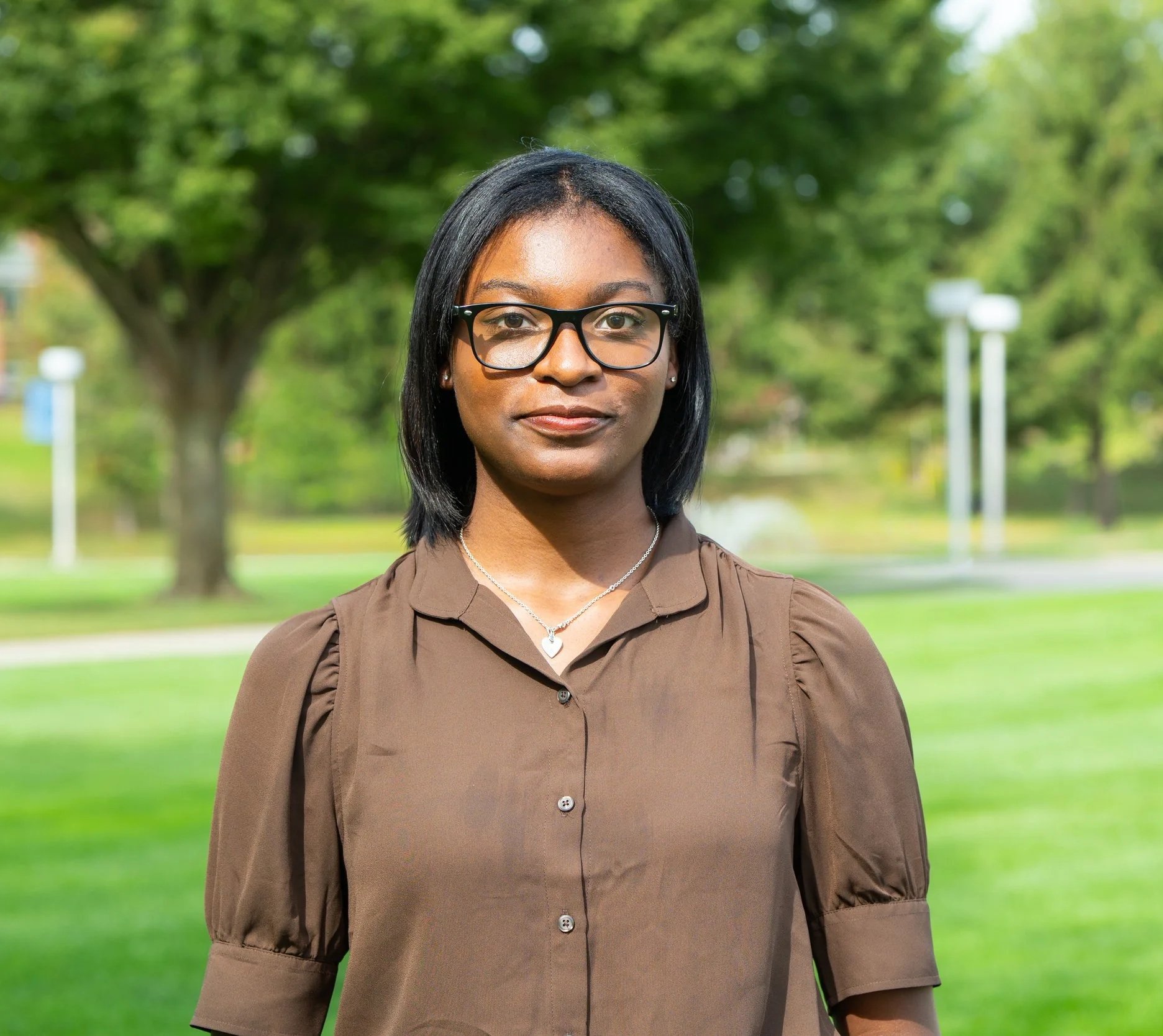
Hi! I’m Jaelyn, a New Jersey–based graphic designer and filmmaker creating thoughtful work through motion, branding, and visual storytelling.
Passionate about culture, tourism design, and crafting strategic identities that connect people, place, and purpose.
