
How Kinetic Typography Elevates Brand Storytelling
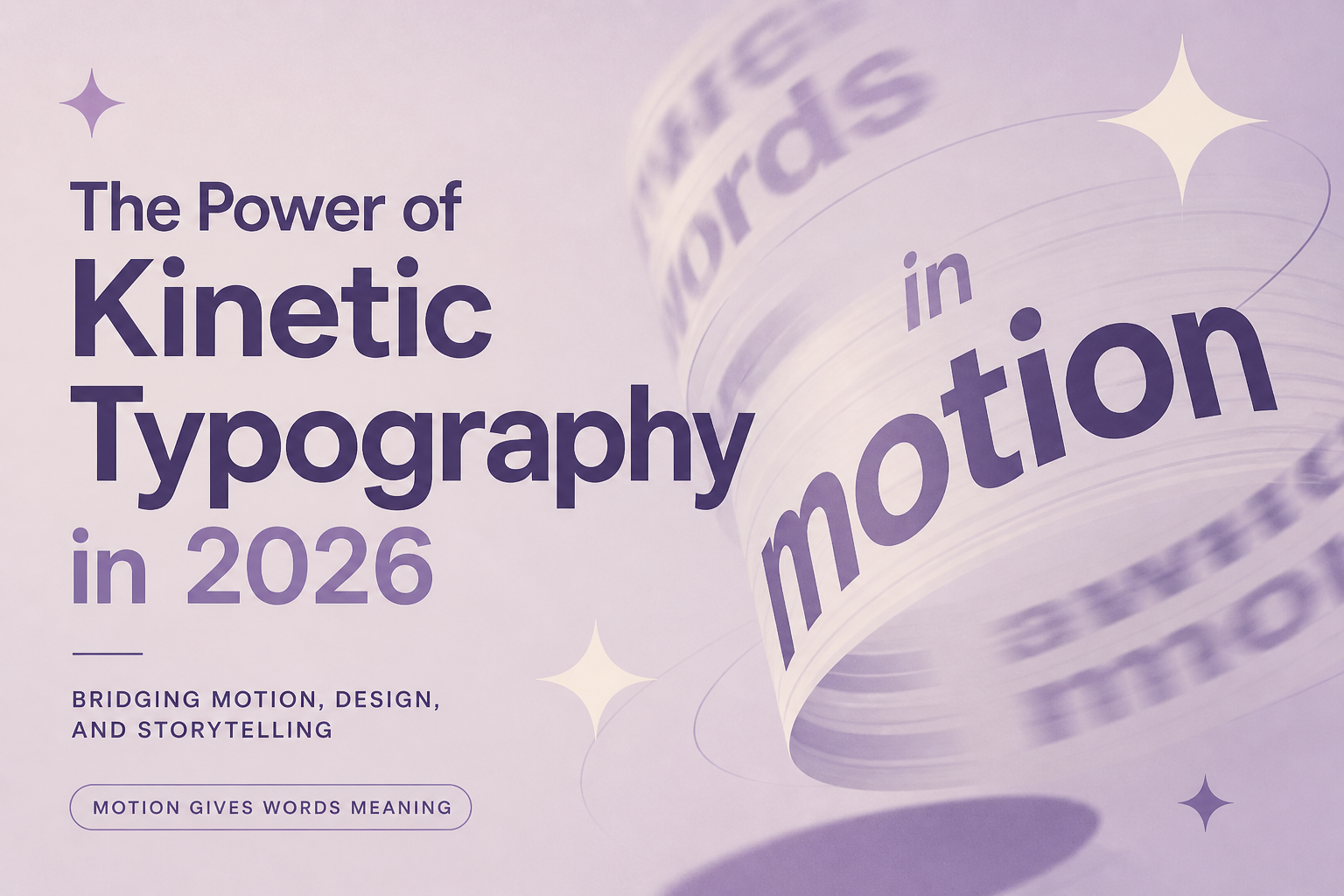
(Image made with AI)
When I first decided to become a double major, going from film to graphic design, I felt like I was leaving behind the magic of movement. I was used to the "aliveness" of cinema, and static layouts felt, well, static.
However, once I discovered kinetic typography, everything clicked. I realized that motion isn't just a fancy add on, it is a fundamental tool for digital storytelling and brand identity. Kinetic typography allows us to give words a voice, a rhythm, and an emotional weight that static type cannot achieve. It's the bridge between the two disciplines I love most.
Why Kinetic Typography Matters in 2026
To truly understand the value of motion design, we have to look at how users consume information today. According to the Interaction Design Foundation, design is a craft where professionals create visual content to communicate messages through hierarchy and layout. In the digital space, kinetic typography takes that hierarchy to the next level.
By animating text, we can control the user’s eye, emphasize key brand messages, and create a "vibe" that sticks. Whether it’s a high energy Korean pop showcase or a sleek corporate brand launch, motion makes the message memorable.
What fascinates me most is how motion can change the entire perception of a brand. A static logo feels corporate. An animated logo feels alive. A moving headline feels urgent.
A transitioning typeface feels intentional. In 2026, users have shorter attention spans than ever, and motion graphics are no longer a luxury, they're a necessity. Brands that don't leverage kinetic typography risk feeling outdated or invisible.
Core Principles of Motion in Branding
Every successful motion graphics piece is rooted in core design principles.
According to Zeka Graphics, these fundamentals include line, color, shape, and most importantly, typography. When we add "time" to these elements, we create something dynamic.
In my own work, I plan to focus on three key areas:
Pacing & Rhythm: Ensuring the movement matches the brand’s "heartbeat."
Visual Hierarchy: Using scale and speed to tell the viewer what to look at first.
Purposeful Animation: Avoiding "flashy" movement for the sake of it, and instead using motion to solve a user’s need for clarity.
The Intersection of Design Fields
As Rasmussen University notes, motion graphics and brand design often go hand in hand. You cannot have a modern brand identity without considering how it moves on a screen. From social media assets to app transitions, motion is everywhere. For me, kinetic typography is the bridge between both my background in film and design. It’s the visual language we use to interpret our world and make connections.
Final Thoughts
We live in a world where users judge a brand’s credibility in milliseconds, much like judging a video by its title or thumbnail. If your brand doesn’t move, it risks feeling outdated. As designers, we must adapt and learn to use these tools to create more inclusive, accessible, and engaging experiences. After all, it is the past, present, and future of how we communicate.
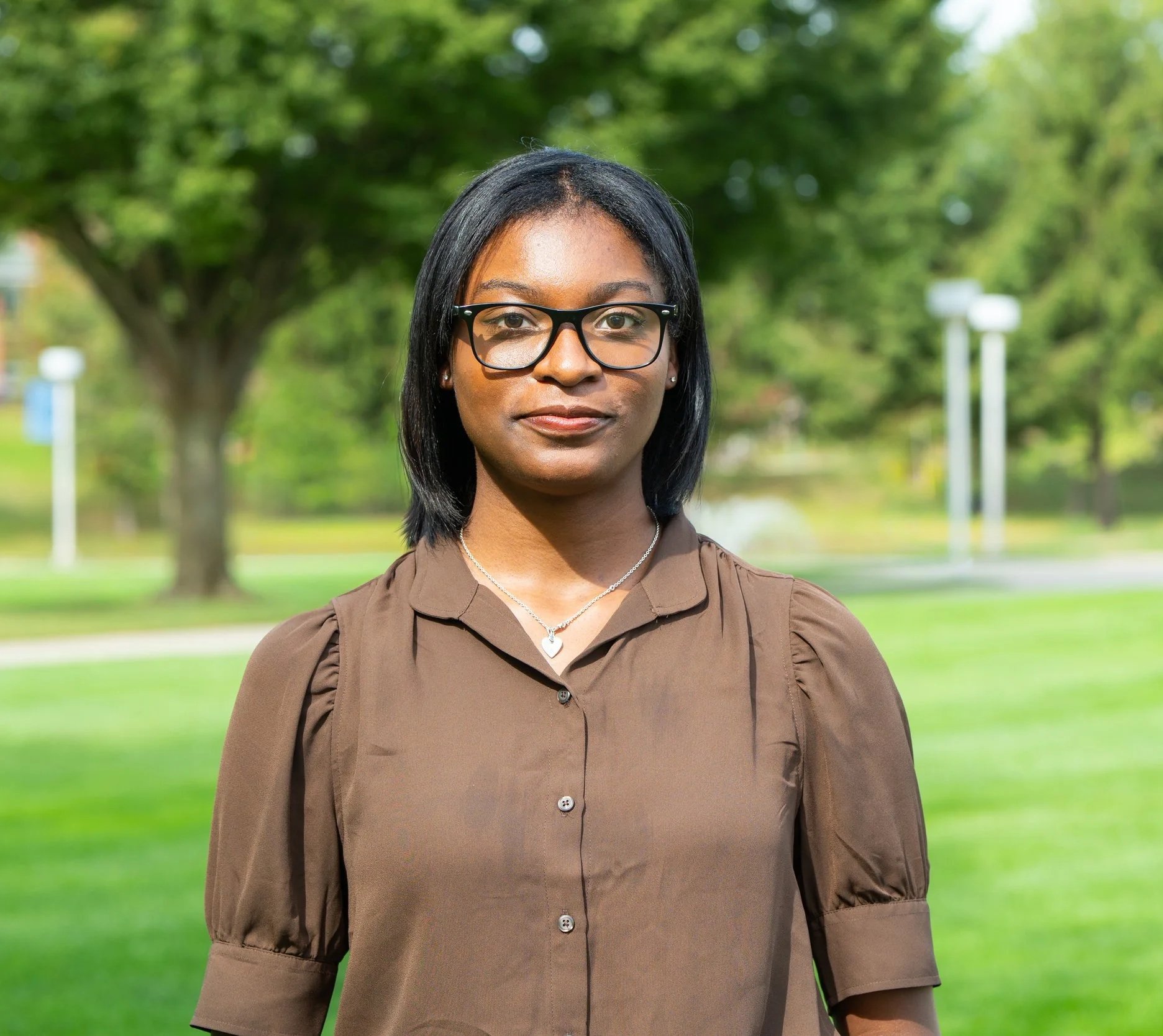
Hi! I’m Jaelyn, a New Jersey–based graphic designer and filmmaker creating thoughtful work through motion, branding, and visual storytelling.
Passionate about culture, tourism design, and crafting strategic identities that connect people, place, and purpose.
